


-

Add: HeBei ShengShi HongBang Cellulose Technology CO.,LTD.
-

Email
13180486930@163.com -

CONTACT US
+86 13180486930
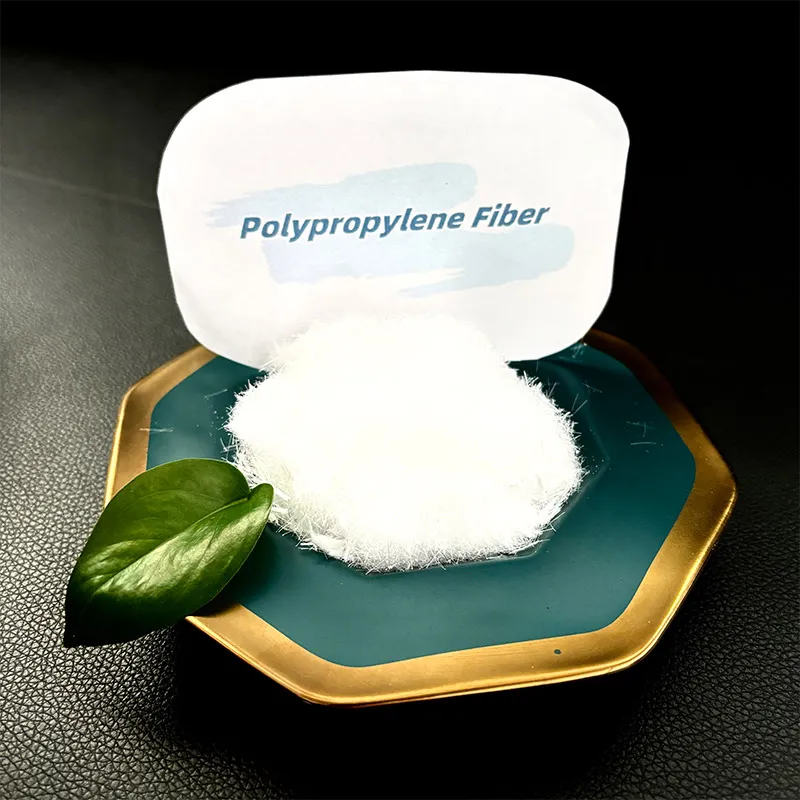




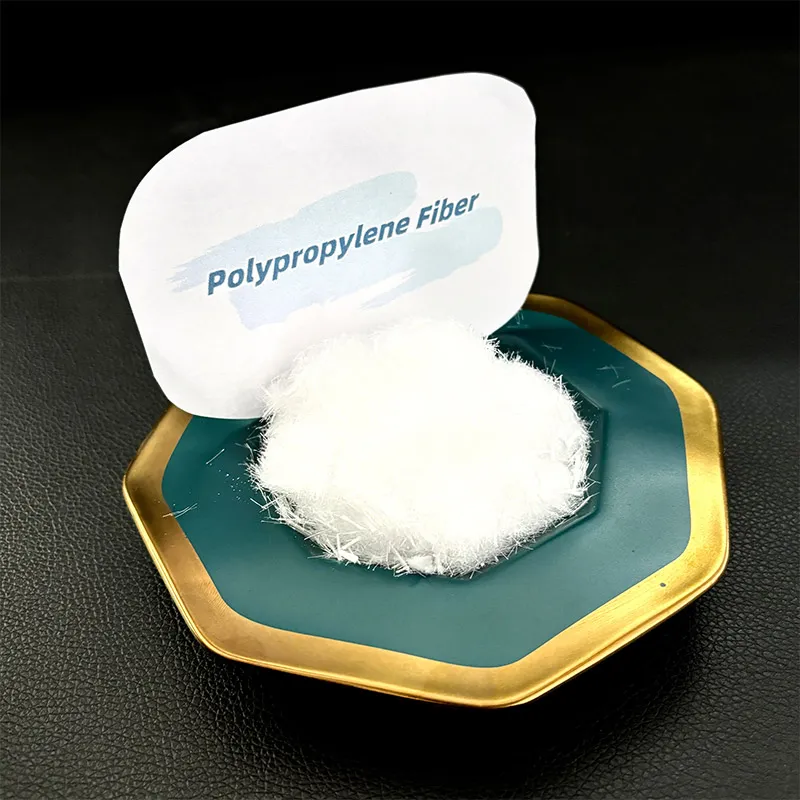
The Cost of Polypropylene Fiber An Overview Polypropylene fiber, derived from the polymerization of propylene monomers, is a synthetic material that has been gaining traction in various industries due to its unique properties and cost-effectiveness. As the demand for durable and versatile materials rises, so does interest in understanding the cost implications associated with polypropylene fiber. This article aims to explore the factors affecting the cost of polypropylene fiber, its applications, and its overall economic impact. Understanding Polypropylene Fiber Polypropylene is one of the most widely used plastics in the world. It is recognized for its lightweight nature, chemical resistance, moisture-wicking capabilities, and structural durability. These characteristics make it an excellent choice for a variety of applications, including textiles, automotive components, and packaging materials. The resulting fiber is soft, resistant to staining, and can be produced in a variety of colors, further enhancing its usability in consumer products. Factors Influencing the Cost 1. Raw Material Prices The primary factor determining the cost of polypropylene fiber is the price of propylene, the primary raw material used in its production. Fluctuations in oil prices significantly impact the cost of propylene, as it is derived from fossil fuels. As global oil prices rise or fall, so too does the cost of polypropylene fiber. 2. Production Technology The method of production also affects costs. Advances in manufacturing technologies can streamline production processes and reduce costs. For instance, the implementation of more efficient machinery or environmentally friendly production methods can yield lower operational costs, which may be passed on to consumers. 3. Supply and Demand Like any commodity, the cost of polypropylene fiber is subject to the laws of supply and demand. In periods of high demand—such as during the surge in production of protective equipment during the COVID-19 pandemic—prices may increase sharply. Conversely, surplus production or a decline in demand can lead to lower prices. costo de fibra de polipropileno 4. Geopolitical Factors Political stability in oil-producing regions can affect the supply and price of propylene. Trade tariffs, sanctions, or conflicts can disrupt supply chains, leading to increased material costs, which in turn influence the cost of polypropylene fiber. 5. Market Competition The competitiveness of the polypropylene market also plays a vital role. The entry of new suppliers can drive prices down, while monopolistic conditions can lead to higher prices. The global nature of the fiber market means that competition from manufacturers in different regions can also affect local pricing. Applications of Polypropylene Fiber The versatility of polypropylene fiber allows for its use in numerous applications. In the textile industry, it is common in the production of carpets, upholstery, and outdoor fabrics due to its resistance to moisture and mildew. The automotive sector utilizes polypropylene fiber for interior components, as it is lightweight and aids in fuel efficiency. Furthermore, polypropylene fibers are utilized in geotextiles for soil stabilization, erosion control, and drainage systems. Economic Impact The economic implications of polypropylene fiber production extend beyond its cost. It supports a range of industries, creating jobs and stimulating economic growth. As manufacturers adapt to changing market dynamics and consumer preferences, innovative uses for polypropylene fiber continue to emerge, driving further demand. In conclusion, the cost of polypropylene fiber is influenced by a variety of factors including raw material prices, production technology, supply and demand dynamics, geopolitical conditions, and market competition. Its diverse applications and economic implications make it a significant player in the manufacturing landscape. As industries continue to seek sustainable and efficient materials, understanding these cost dynamics will be crucial for businesses and consumers alike in making informed decisions. The future of polypropylene fiber is undoubtedly tied to evolving market conditions and technological advancements, promising ongoing relevance in a rapidly changing world.
- 40000tons

Production
- 20+years

Experience
- 5000+㎡

Acreage

-
Hydroxypropyl methylcellulose (HPMC) has been a prominent player in the world of construction and pharmaceuticals owing to its versatile properties . The pricing landscape of HPMC can fluctuate due to several factors, crucial for businesses and stakeholders to understand for strategic decision-making. This article delves into the nuances of HPMC pricing while integrating real-world insights, professional knowledge, authority, and reliability. HPMC is celebrated for its multifunctionality, providing thickening, emulsifying, and stabilizing properties. These attributes render it indispensable in industries ranging from building materials to personal care products. The price of hydroxypropyl methylcellulose is influenced by raw material costs, production processes, and market demand, which are intertwined intricacies every professional should comprehend. Insights from Industry Experts Engaging with industry experts reveals that one of the pivotal factors affecting HPMC pricing is the cost of raw cellulose and the chemicals used in its etherification. Fluctuations in cellulose prices, often affected by agricultural conditions and supply chain disruptions, directly impact HPMC costs. In addition, energy prices carry weight in the pricing equation due to the energy-intensive process of producing HPMC, making it susceptible to global geopolitical situations that alter energy market dynamics. The Role of Market Demand Market demand plays a critical role in establishing HPMC prices. As more industries discover innovative applications for HPMC, the demand chain expands. For example, in construction, the escalating demand for sustainable and green building materials has intensified interest in HPMC due to its environmental benefits and role in reducing material waste. Additionally, the burgeoning pharmaceutical sector relies on HPMC as an excipient, further driving demand. hydroxypropyl methylcellulose price Authoritative Market Analysis An authoritative analysis of current market trends shows that China and India are significant production hubs for HPMC due to their abundant raw material resources and cost-effective production capabilities. Key players in these regions often have a significant influence on global pricing structures. Furthermore, regulatory changes concerning environmental policies in these countries can lead to shifts in production costs, consequently affecting international prices. Trustworthy Sources and Reports Relying on trustworthy market reports and data from established financial analytics firms provides deeper insights into pricing trends and forecasts. Recent reports indicate that prices have been moderately stable, with anticipated growth attributed to advancements in application technology and increasing environmental awareness among consumers. Strategic Recommendations Businesses relying on HPMC should adopt a strategic approach to mitigate price volatility risks. Diversifying supply sources, investing in local production facilities, and adopting alternative technological methods are potential strategies to achieve cost efficiency and stable pricing. Moreover, maintaining transparent relationships with suppliers can foster mutual trust and facilitate better negotiated pricing. In conclusion, understanding the pricing structure of hydroxypropyl methylcellulose involves an intricate blend of raw material costs, market demand dynamics, and regional economic policies. For businesses in construction, pharmaceutical, and beyond, a forward-thinking strategy backed by expert insight and authoritative data sources can ensure effective management of costs associated with this essential compound.
-
In a world focused on sustainability, wood cellulose is emerging as a top choice for eco-friendly building materials and insulation solutions. Derived from the fiber found in wood, wood cellulose offers exceptional thermal and sound insulation properties while being a renewable and biodegradable resource. Whether you are looking to build or retrofit your home, wood cellulose provides an environmentally responsible option that helps you reduce your carbon footprint and enjoy long-term comfort. What is Wood Cellulose? Understanding This Eco-Friendly Material What is wood cellulose exactly? It is a natural polymer found in the cell walls of plants, primarily in wood. Wood cellulose is made up of long chains of glucose molecules, which provide strength and rigidity to plants. This versatile material can be processed and used for a variety of applications, including as an effective insulation material. It’s biodegradable, recyclable, and an ideal choice for those who prioritize sustainability in their construction and insulation projects. Wood Cellulose Insulation: A Smart Choice for Your Home When it comes to insulation, wood cellulose insulation stands out as a highly effective and environmentally friendly option. Made from recycled wood fibers, wood cellulose insulation provides excellent thermal performance by trapping air and minimizing heat loss. It also offers superior soundproofing properties, making it a great choice for homes and buildings in noisy environments. Unlike traditional insulation materials, wood cellulose insulation is treated to be fire-retardant and resistant to pests, ensuring durability and safety for years to come. It’s time to make your home more energy-efficient with the natural power of wood cellulose insulation . Difference Between Sawdust and Wood Cellulose: Key Features You Need to Know While both sawdust and wood cellulose come from wood, there are significant differences between the two. Sawdust is a byproduct of cutting or grinding wood and is often used in manufacturing or as animal bedding. On the other hand, wood cellulose is the fibrous material extracted from the wood itself and is used for more specific applications such as insulation. The key difference between sawdust and wood cellulose is that wood cellulose is processed to remove impurities and can be treated for fire resistance and enhanced durability, making it a far superior material for insulation purposes. Choose wood cellulose for a greener, safer, and more efficient solution than sawdust. Why Choose Wood Cellulose for Your Next Building Project? If you’re looking to make your home or office more energy-efficient and eco-friendly, wood cellulose is the perfect solution. Whether you’re installing wood cellulose insulation in your attic, walls, or floors, or using wood cellulose in other applications, you can count on its excellent performance. With its sustainable nature, durability, and impressive insulating properties, wood cellulose is the future of green building materials. It’s time to embrace the natural benefits of wood cellulose and enjoy a more comfortable, energy-efficient, and environmentally responsible space. Wood Cellulose FAQs What is wood cellulose and how is it made? Wood cellulose is a natural fiber derived from the cell walls of trees and plants. It is made by processing wood to extract the cellulose fibers, which are then used in various applications such as insulation or paper production. The process involves removing the lignin and other non-cellulose components from the wood, leaving behind the strong, fibrous cellulose that provides structure and rigidity. What is wood cellulose insulation and why is it better than traditional insulation? Wood cellulose insulation is a sustainable insulation material made from recycled wood fibers. It offers superior thermal performance and excellent soundproofing capabilities, making it ideal for homes and commercial buildings. Unlike traditional fiberglass insulation, wood cellulose insulation is made from natural, renewable resources and is treated to resist fire, pests, and mold, making it a safer and more durable option. What is the difference between sawdust and wood cellulose? The main difference between sawdust and wood cellulose lies in their composition and use. Sawdustis a fine powdery byproduct created when wood is cut or sawed, often used in manufacturing or as bedding material. In contrast, wood cellulose is extracted directly from the wood fibers and is processed for specialized applications, particularly as insulation. Wood cellulose is more refined, treated for durability, and better suited for high-performance uses like insulation. How does wood cellulose insulation help with energy efficiency? Wood cellulose insulation is known for its superior thermal resistance, meaning it effectively prevents heat from escaping during the winter and keeps your home cool during the summer. By trapping air and reducing the flow of heat, it helps maintain a stable indoor temperature and reduces the need for heating or cooling, leading to lower energy bills and improved energy efficiency in your home or building. Can wood cellulose be used in all types of buildings? Yes, wood cellulose can be used in almost any type of building, from residential homes to commercial properties. It is ideal for a wide range of construction projects, particularly in those focused on sustainability and energy efficiency. Whether you're building new structures or retrofitting older homes, wood cellulose insulation is a versatile and eco-friendly option that works in walls, attics, floors, and more.
advantages
-

200000 Viscosities
Excellent product
We can produce pure products up to 200,000 viscosities
-

40000 tons
High yield
We don’t stop production all year round, and the annual output can reach 40,000 tons
-

24 hours
Quality service
We provide 24-hours online reception service, welcome to consult at any time
———— Inquiry Form
Schedule A services

-
 retaine_hpmc_lubricant_eye_drops_0_point_3_fl_oz
Oct . 25, 2025
Optimize your industrial solutions with fine rubber powder, nitrile rubber powder, and advanced prod -
 polypropen_microfibers
Oct . 25, 2025
Fiberglass reinforced polypropylene (FRPP) is revolutionizing industries due to its synergistic blen -
 polypropylene_concrete
Oct . 25, 2025
Understanding Polyolefin Fibers Properties, Applications, and Advantages Polyolefin fibers, derived


